SuperBatt vs SuperBatt LM75
We compare the SuperBatt and the SuperBatt LM75 across every dimension that matters - our scores, the key specs, and how each performs on the things you will actually notice day to day.
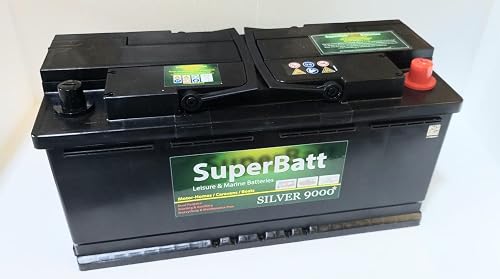

At a glance
| SuperBatt | SuperBatt LM75 | |
|---|---|---|
| Our score | 7.9/10 | 9.5/10 |
| Best for | Dependable, affordable off-grid power for caravans, motorhomes and boats | Dependable, affordable off-grid power for caravans, motorhomes and boats |
| Not ideal for | Heavy daily cycling where lithium's longer life would pay back | Heavy daily cycling where lithium's longer life would pay back |
| Brand | SuperBatt | SuperBatt |
Battery Type and Chemistry
SuperBatt
This leisure battery uses an AGM (VRLA) battery design, with electrolyte absorbed in glass mat separators and a sealed, non-spill format when used as intended. This chemistry is suited to deep-cycle leisure applications such as caravans, motorhomes and marine settings, where sealed construction helps with safer, cleaner handling. Compared with flooded lead-acid types, AGM batteries are typically associated with reduced routine maintenance, but correct charging practice remains important to avoid premature wear.
SuperBatt LM75
With the leisure battery, the battery type is a deep-cycle leisure battery designed for long, steady power use rather than quick bursts. It is built around a 12V system with a 75Ah capacity, marking it as suitable for recurring, moderate draw in leisure vehicles such as caravans, motorhomes and marine boats. Deep-cycle construction typically supports repeated discharge cycles, which helps when powering items such as lights, pumps and onboard electronics over time.
Capacity and Real Usable Power
SuperBatt
With a stated capacity of 140Ah at 12V, the SuperBatt is positioned for deep-cycle leisure use where stored charge is intended to support loads over longer periods. The effective usable energy depends on how far the battery is drawn down during typical discharge, because very deep discharge can reduce delivered performance due to system losses and battery behaviour at higher currents. Since the product title does not specify usable Ah percentages, the exact runtime under a given load cannot be confirmed. A 12V setup should also account for wiring and any inverter losses.
SuperBatt LM75
The SuperBatt is a 12V deep-cycle leisure battery rated at 75Ah, which provides the baseline for how much energy it can store before it needs recharging. The amount of usable power is typically lower than the headline capacity because battery performance depends on how much current is drawn, and because deep discharge is avoided in normal use. With a deep-cycle battery used for steady loads over longer periods, the system should be sized to match realistic runtime requirements, with attention to how higher current draw reduces available capacity over time. For lead-acid based leisure batteries, only a portion of the rated 75Ah is generally treated as safely usable, since discharging to zero shortens battery life.
Cycle Life and Durability
SuperBatt
Cycle life and durability matter because a deep-cycle battery is expected to handle repeated charge and discharge rather than one long drain. For the leisure battery, the build is AGM and VRLA, sized for deep-cycle leisure use in caravans, motorhomes and marine set-ups. Durability depends on staying within the intended deep-cycle discharge pattern; frequent deep discharges can shorten usable life. When the battery is used within moderate cycling and avoided extreme conditions, cycle performance typically holds up better than a battery used in a starter-style role.
SuperBatt LM75
Cycle life and durability are typically assessed by the number of charge and discharge cycles the battery can complete before its capacity drops noticeably. For the leisure battery, a 12V 75Ah deep-cycle leisure battery, cycle wear is affected by charging conditions and by how deeply the battery is discharged during normal use. In typical caravan, motorhome and marine duty, staying within routine operating patterns that favour shallow discharges and regular charging reduces stress on the battery. Repeated deep drains, particularly if the battery is left partly discharged, can increase wear over time. As degradation develops, it can show up as reduced usable capacity, shorter run times and slower recovery after charging.
Fitting and Charging
SuperBatt
Proper fitting and charging largely determine how reliably an AGM deep-cycle battery performs over time. The first step in a 12V 140Ah SuperBatt AGM1200 installation for caravan, motorhome, or marine use is planning the placement so the battery is mounted securely, the terminals are protected, and the correct polarity is confirmed before any power is connected. Charging must be matched to AGM needs, using a charger set up for AGM and 12V output, with current and voltage kept within the charger's rated AGM settings. During the first charge, expect longer settling, especially if the battery has been stored. After tightening connections firmly, recheck them after the initial run.
SuperBatt LM75
Fitting and charging the SuperBatt leisure battery starts with basic electrical safety and correct placement. Switch off all connected systems, then check the battery polarity before connecting cables. Position the battery securely in a ventilated area, keeping the terminals clear of metal parts to reduce the risk of a short-circuit. For charging, use a suitable 12V charging source for the battery chemistry, and connect the leads firmly while observing red to positive and black to negative. During charging, monitor progress and stop charging if the battery overheats or vents, as overheating and venting can reduce service life.
Who Is This For?
SuperBatt
This 12V 140Ah SuperBatt AGM1200 deep-cycle AGM leisure battery is designed for applications where a non-spillable (VRLA) battery is required, such as caravan, motorhome, or marine use. It is most suitable for people replacing an existing 12V leisure battery with an AGM type, particularly where a sealed design is preferred over conventional spillable batteries. It aligns with the AGM construction and deep-cycle intent for leisure set-ups.
SuperBatt LM75
The SuperBatt LM75 is aimed at people who need a deep-cycle 12V 75Ah leisure battery for caravan, motorhome, or marine use. It suits setups that use the battery over extended periods, rather than only for short bursts, such as running onboard systems gradually or powering lighting and smaller devices across days. It also fits buyers replacing an existing 12V 75Ah unit or upgrading to increase available capacity for longer time away. It may be less suitable for anyone requiring very high starting or cranking power, since leisure deep-cycle batteries are designed for steady discharge over time rather than rapid high-burst starting demands.
SuperBatt: pros
- AGM deep-cycle
- 140Ah at 12V
- Suits caravan, motorhome, marine
- Proven, affordable off-grid power
Cons
- Only around half the rated capacity is safely usable
- Heavier and shorter cycle life than lithium
- Match the capacity to your real daily power draw
SuperBatt LM75: pros
- Deep-cycle leisure battery
- 75Ah at 12V
- Suits caravan, motorhome, marine
- Proven, affordable off-grid power
Cons
- Only around half the rated capacity is safely usable
- Heavier and shorter cycle life than lithium
- Match the capacity to your real daily power draw
Our verdict
Our pick is the SuperBatt LM75 (our score 9.5/10) - A practical leisure battery (deep-cycle, 75Ah) for off-grid and leisure power. The SuperBatt is still worth it if it is cheaper when you check, or if it better matches your specific needs.